Embark on a journey to create a thriving mobile app in just half a year. Dive into the intricacies of planning, design, development, and marketing with expert insights and strategies.
Essential Steps for Building a Successful Mobile App in 6 Months
Before diving into the development process of a mobile app, there are key planning steps that need to be addressed to ensure its success within a 6-month timeframe.
Conduct Market Research and Identify Target Users
Market research is essential to understand the needs and preferences of your target audience. By identifying your target users, you can tailor the app to meet their specific requirements, increasing the chances of success. This step also helps in analyzing competitors and finding unique selling points for your app.
Create a Clear Roadmap and Timeline
Developing a clear roadmap and timeline is crucial to keep the project on track and within the 6-month timeframe. This involves setting milestones, deadlines, and allocating resources effectively. A well-defined roadmap helps in prioritizing tasks and ensuring that the development process progresses smoothly.
Define the App’s Core Features and Functionalities
It is important to define the core features and functionalities of the app early on in the planning phase. This involves outlining the basic functionalities that the app must have to provide value to users. By focusing on the core features, you can avoid scope creep and ensure that the app meets the needs of the target audience effectively.
Design and Development Strategies for a Mobile App in 6 Months
In the fast-paced world of mobile app development, having a solid design and development strategy is crucial to meeting deadlines and ensuring a successful product launch within 6 months. This involves focusing on UI/UX design, adopting Agile development methodology, incorporating prototyping and user testing, and selecting the right technology stack.
Best Practices for UI/UX Design
UI/UX design plays a vital role in enhancing user experience and engagement with the mobile app. Some best practices include:
- Creating a clean and intuitive interface for easy navigation
- Ensuring consistency in design elements across the app
- Prioritizing mobile responsiveness for seamless user interaction
- Implementing user-friendly gestures and interactions
Agile Development Methodology
Agile methodology is well-suited for fast-paced app development as it allows for iterative and flexible processes. Its benefits include:
- Adaptability to changing requirements and feedback
- Continuous integration and delivery for quick updates
- Enhanced collaboration among cross-functional teams
- Increased transparency and visibility into project progress
Importance of Prototyping and User Testing
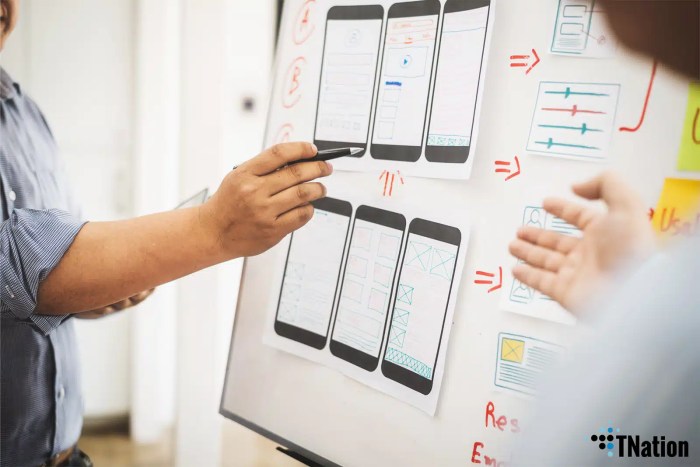
Prototyping and user testing are essential during the development phase to validate concepts and gather valuable feedback. This helps in:
- Identifying usability issues early on and making necessary improvements
- Ensuring the app meets user expectations and requirements
- Minimizing rework and optimizing development time
- Enhancing overall user satisfaction and retention
Choosing the Right Technology Stack
Selecting the appropriate technology stack is crucial for efficient development and optimal performance of the mobile app. Considerations for choosing the right technology stack include:
- Evaluating the scalability and flexibility of the technologies
- Assessing compatibility with the app’s features and functionalities
- Considering development time and resources required for implementation
- Staying updated on latest trends and advancements in mobile app development
Marketing and Launch Plan for a Mobile App within 6 Months
Creating a buzz before the official launch of your mobile app is crucial for building anticipation and generating interest among potential users. A well-thought-out marketing and launch plan can significantly impact the success of your app in the competitive app market.
Creating Pre-Launch Buzz
- Teaser Campaigns: Release teaser videos or images on social media platforms to give users a sneak peek into your app’s features and functionalities.
- Beta Testing: Invite a select group of users to beta test your app and provide feedback. This not only creates exclusivity but also helps in identifying any bugs or issues before the official launch.
- Influencer Partnerships: Collaborate with influencers or bloggers in your app’s niche to reach a wider audience and build credibility before the launch.
Significance of App Store Optimization (ASO)
- Optimization: Use relevant s in your app title, description, and metadata to improve visibility on app stores.
- Optimized Graphics: Design eye-catching app icons and screenshots to attract users and increase click-through rates.
- User Reviews and Ratings: Encourage users to leave positive reviews and ratings, as they play a significant role in app store rankings.
Leveraging Social Media and Digital Marketing
- Social Media Campaigns: Utilize platforms like Facebook, Instagram, and Twitter to engage with your target audience, run ads, and create buzz around your app.
- Content Marketing: Create blog posts, videos, and infographics to educate users about your app’s benefits and features.
- Email Marketing: Build an email list of interested users and send regular updates, promotions, and sneak peeks to keep them engaged.
Analyzing User Feedback Post-Launch
- Monitor Reviews: Regularly check user reviews on app stores and address any negative feedback promptly to improve user satisfaction.
- User Surveys: Conduct surveys or feedback forms to gather insights from users about their experience with the app and areas for improvement.
- App Analytics: Utilize tools like Google Analytics to track user behavior, engagement metrics, and app performance to make data-driven decisions for app enhancements.
Final Conclusion
In conclusion, mastering the art of building a mobile app within 6 months requires a blend of meticulous planning, innovative design, agile development, and strategic marketing. Stay focused, adapt to feedback, and watch your app soar to success.