Embark on the journey of creating a powerful resume and cover letter that will set you apart in the competitive job market. Learn the essential strategies and tips to land your dream job with confidence.
Importance of a Strong Resume

Creating a strong resume is crucial in the job application process as it serves as the first impression a potential employer will have of you. A well-crafted resume can significantly impact your chances of landing an interview and ultimately securing the job you desire.
Key Elements of a Standout Resume
- Clear and concise format that is easy to read
- Relevant work experience and skills tailored to the job you are applying for
- A strong summary or objective statement that highlights your career goals
- Evidence of accomplishments and achievements in previous roles
- Consistent formatting and attention to detail
Increased Interview Opportunities with a Strong Resume
A strong resume can increase your chances of landing interviews by showcasing your qualifications and experiences effectively. Employers are more likely to consider candidates with well-presented resumes that highlight their skills and accomplishments. By standing out from other applicants, you can grab the attention of hiring managers and secure the opportunity to interview for your desired position.
Essential Components of a Resume
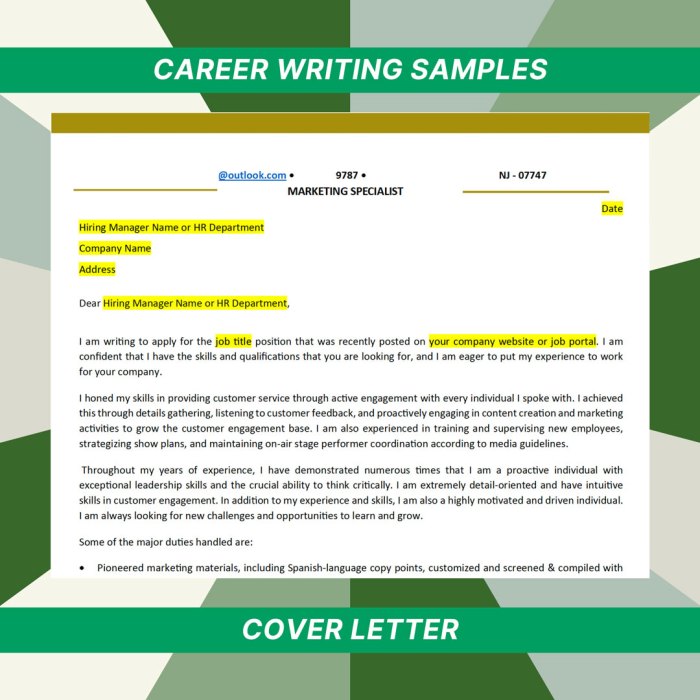
When crafting a strong resume, it is crucial to include specific sections that provide a comprehensive overview of your qualifications and experiences. These essential components help recruiters quickly assess your suitability for a job.
Contact Information
At the top of your resume, include your full name, phone number, email address, and location. Make sure this information is clearly visible and easy to find.
Summary
A summary or objective statement gives a brief overview of your skills, experiences, and career goals. This section can help recruiters understand your professional background at a glance.
Work Experience
- List your work experience in reverse chronological order, starting with your most recent job. Include the job title, company name, location, and dates of employment. Provide a brief description of your key responsibilities and achievements in each role.
Skills
- Highlight your relevant skills, such as technical abilities, certifications, languages, and soft skills. Tailor this section to match the job requirements and showcase what sets you apart from other candidates.
Education
- Include your educational background, starting with your highest degree or certification. Mention the institution, degree earned, major, and graduation date. You can also include academic achievements or relevant coursework.
Formatting and Organization
Ensure your resume has a clean and professional layout. Use bullet points, headings, and white space to improve readability. Choose a standard font and stick to a consistent format throughout the document.
Resume Styles
There are different resume styles to consider, such as:
- Chronological: Ideal for candidates with a stable career progression. It highlights work experience in reverse chronological order.
- Functional: Focuses on skills and abilities rather than work history. Suitable for career changers or candidates with employment gaps.
- Combination: Combines elements of both chronological and functional resumes. It showcases skills and work experience effectively.
Crafting an Effective Cover Letter
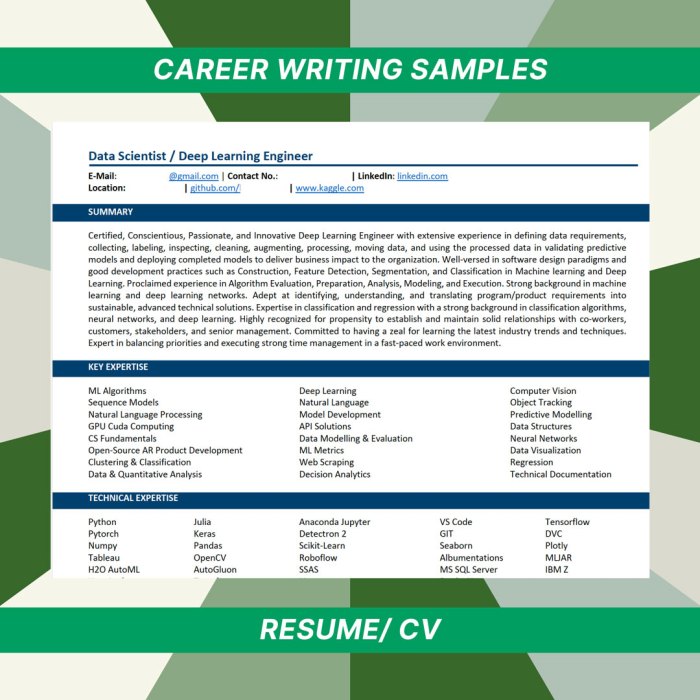
When applying for a job, a cover letter is just as important as your resume. While your resume Artikels your skills and experiences, a cover letter allows you to personalize your application and showcase your personality.
Purpose of a Cover Letter and How it Complements a Resume
A cover letter provides you with the opportunity to explain why you are the perfect fit for the position and why you are interested in the company. It complements your resume by allowing you to expand on specific achievements or experiences mentioned in your resume.
Guidelines on Structuring a Cover Letter
- Introduction: Start by addressing the hiring manager and stating the position you are applying for.
- Body: Highlight your most relevant experiences and skills that make you a strong candidate. Provide examples to support your claims.
- Conclusion: Summarize why you are a good fit for the role and express your enthusiasm for the opportunity to interview.
Tips on Tailoring Cover Letters to Specific Job Requirements and Company Culture
- Research the company: Understand the company culture, values, and mission to tailor your cover letter accordingly.
- Match your qualifications: Align your skills and experiences with the job requirements mentioned in the job posting.
- Show enthusiasm: Express genuine interest in the company and the role to demonstrate your passion for the opportunity.
Final Summary
As you conclude this enriching discussion, remember that a strong resume and cover letter are your keys to unlocking new career opportunities. Follow these guidelines to craft compelling documents that showcase your skills and experience effectively.