Embark on the journey of creating a restaurant menu that not only entices customers but also maximizes profits. From researching customer preferences to designing an appealing layout, this guide covers all the essentials for success.
Delve into the intricate details of crafting a menu that sells and leaves a lasting impression on diners, ensuring your restaurant stands out in a competitive industry.
Research and Analysis

When creating a restaurant menu that sells, it is crucial to conduct thorough research and analysis to understand the market and customer preferences. By exploring what customers in the target market are looking for, identifying popular dishes and industry trends, and analyzing competitors’ menus, you can tailor your menu to maximize sales and profitability.
Customer Preferences in the Target Market
Understanding your target market’s preferences is key to designing a menu that resonates with customers. Consider factors such as demographics, cultural influences, dietary restrictions, and popular food trends in the area. Conduct surveys, gather feedback, and observe customer behavior to gain insights into what dishes are likely to sell well.
Popular Dishes and Trends in the Restaurant Industry
Stay updated on the latest food trends and popular dishes in the restaurant industry to ensure your menu remains relevant and appealing to customers. Whether it’s plant-based options, global cuisine influences, or unique fusion dishes, incorporating trendy items can attract more customers and set your restaurant apart from competitors.
Competitors’ Menu Analysis
Take a close look at your competitors’ menus to understand their pricing strategies, dish popularity, and overall menu layout. Analyze what dishes are priced competitively, which items are bestsellers, and how they structure their menu categories. This information can help you position your menu effectively, offer unique dishes, and set competitive prices to attract customers.
Designing the Menu
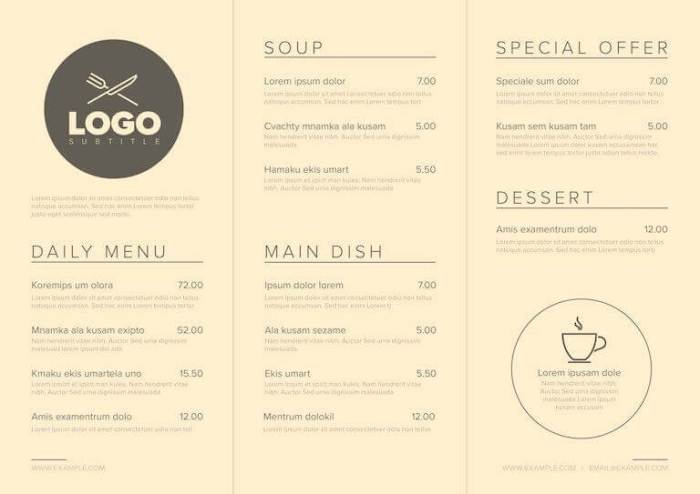
Creating a well-structured menu layout is essential to attract customers and increase sales. By using descriptive language and enticing food photography, you can showcase your dishes and make them more appealing to customers. Organizing menu items into categories like appetizers, main courses, and desserts can help improve the flow and make it easier for customers to navigate through the menu.
Creating a Well-Structured Menu Layout
- Start with a clear and easy-to-read font that is visually appealing.
- Use a layout that is organized and easy to navigate, with categories clearly labeled.
- Consider using colors and designs that reflect the theme of your restaurant.
Using Descriptive Language and Enticing Food Photography
- Write menu descriptions that are detailed and engaging, highlighting the key ingredients and flavors of each dish.
- Include high-quality photos of your dishes to visually attract customers and stimulate their appetite.
- Ensure that the photos accurately represent the dishes and are well-lit and professionally taken.
Organizing Menu Items into Categories
- Separate menu items into logical categories such as appetizers, salads, main courses, and desserts.
- Consider using subcategories or symbols to denote special dietary options like vegetarian or gluten-free.
- Arrange the categories in a way that flows naturally and makes it easy for customers to find what they are looking for.
Pricing Strategy

Determining the pricing for your restaurant menu is crucial in ensuring profitability and customer satisfaction. By taking into account ingredient costs and desired profit margins, you can set prices that are both competitive and sustainable. Offering a range of price points on your menu allows you to cater to different customer budgets, increasing the likelihood of a sale. Additionally, highlighting high-profit margin items using design techniques like boxes, colors, or symbols can draw attention to these items and encourage customers to make choices that benefit your bottom line.
Determine Pricing Based on Ingredient Costs and Profit Margins
When setting prices for your menu items, it’s essential to consider the cost of ingredients used to prepare each dish. By calculating the cost of ingredients per portion and factoring in other expenses such as labor and overhead, you can determine a base price that ensures you cover your costs and make a profit. Additionally, setting profit margins for each menu item will help you achieve your financial goals while remaining competitive in the market.
Offer a Range of Price Points to Cater to Different Customer Budgets
Not all customers have the same budget when dining out, so it’s important to offer a variety of price points on your menu. By including options at different price levels, you can attract a wider range of customers and increase the likelihood of making a sale. Consider offering value meals or combo deals for budget-conscious customers, as well as premium items for those willing to splurge.
Highlight High-Profit Margin Items Using Design Techniques
To drive sales of high-profit margin items, consider using design techniques to draw attention to these menu items. This could include placing them in a separate section of the menu, using bold colors or fonts, or adding symbols like stars or icons to signify their popularity. By visually highlighting these items, you can influence customer choices and increase the likelihood of upselling.
Last Recap
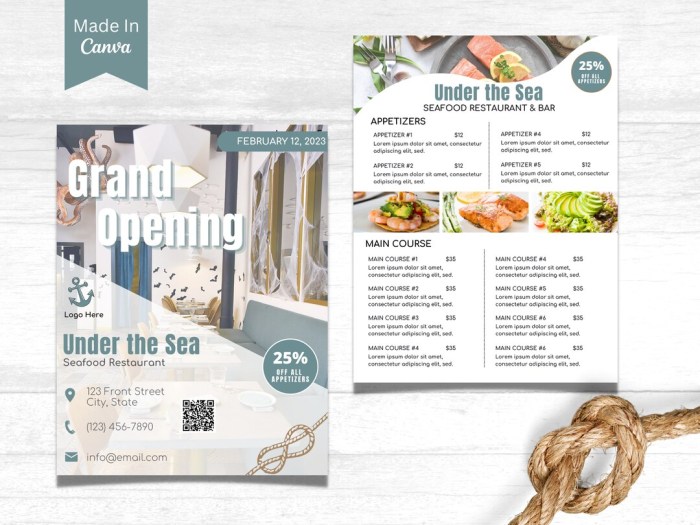
In conclusion, mastering the art of building a restaurant menu that sells is crucial for the success of your establishment. By implementing strategic pricing tactics and captivating design elements, you can elevate your menu to new heights and attract a loyal clientele.