Embark on your journey to a balanced diet with our beginner’s guide, packed with valuable insights on creating nutritious meal plans and making informed food choices.
Learn about the key components of a balanced diet and discover practical strategies for incorporating all food groups into your meals.
Importance of a Balanced Diet

Maintaining a balanced diet is essential for overall health and well-being. A balanced diet provides the necessary nutrients that our bodies need to function properly and stay healthy. It involves consuming a variety of foods in appropriate portions to ensure that our bodies receive the right amount of nutrients.
Key Components of a Balanced Diet
- Fruits and Vegetables: These are rich in vitamins, minerals, and antioxidants that help boost the immune system and reduce the risk of chronic diseases.
- Proteins: Protein is essential for building and repairing tissues, enzymes, and hormones. Sources include lean meats, poultry, fish, beans, and nuts.
- Whole Grains: Whole grains provide fiber, vitamins, and minerals that promote digestive health and reduce the risk of heart disease.
- Dairy or Dairy Alternatives: These are important for calcium and vitamin D intake, necessary for bone health and overall growth.
- Healthy Fats: Healthy fats, such as those found in avocados, nuts, and olive oil, are essential for brain function and heart health.
Benefits of Maintaining a Balanced Diet
- Weight Management: A balanced diet can help maintain a healthy weight and reduce the risk of obesity-related conditions.
- Improved Energy Levels: Eating a variety of nutrient-rich foods can provide sustained energy throughout the day.
- Reduced Risk of Chronic Diseases: A balanced diet can lower the risk of heart disease, diabetes, and certain cancers.
- Enhanced Mental Health: Nutrient-dense foods can support cognitive function and mood stability.
- Better Digestive Health: Consuming fiber-rich foods can aid digestion and promote gut health.
Building Blocks of a Balanced Diet

To build a balanced diet, it is essential to include a variety of food groups in your daily meals. Each food group provides different nutrients that are necessary for overall health and well-being.
Examples of Different Food Groups
- Fruits: apples, bananas, berries, oranges
- Vegetables: spinach, broccoli, carrots, bell peppers
- Proteins: chicken, fish, beans, nuts
- Grains: whole wheat bread, brown rice, quinoa
- Dairy: milk, yogurt, cheese
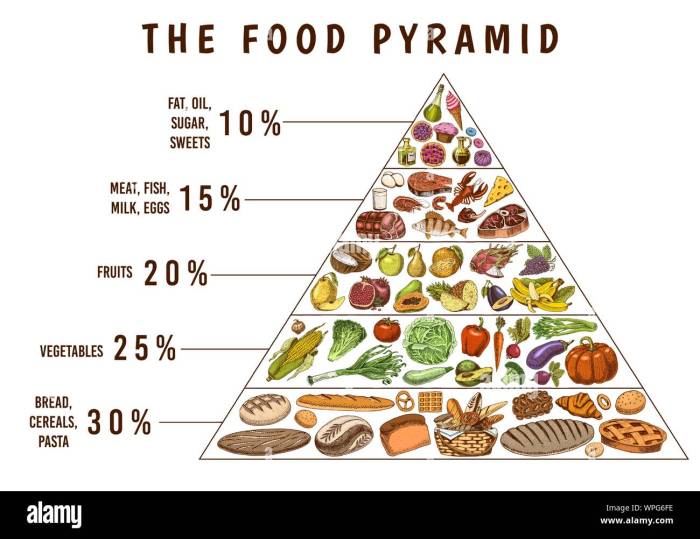
Recommended Daily Intake of Each Food Group
- Fruits: 2-3 servings
- Vegetables: 3-5 servings
- Proteins: 2-3 servings
- Grains: 6-8 servings
- Dairy: 2-3 servings
Remember, portion sizes matter. It’s important to incorporate all food groups in your meals in the right proportions to ensure you are getting the necessary nutrients.
How to Portion Meals to Incorporate All Food Groups
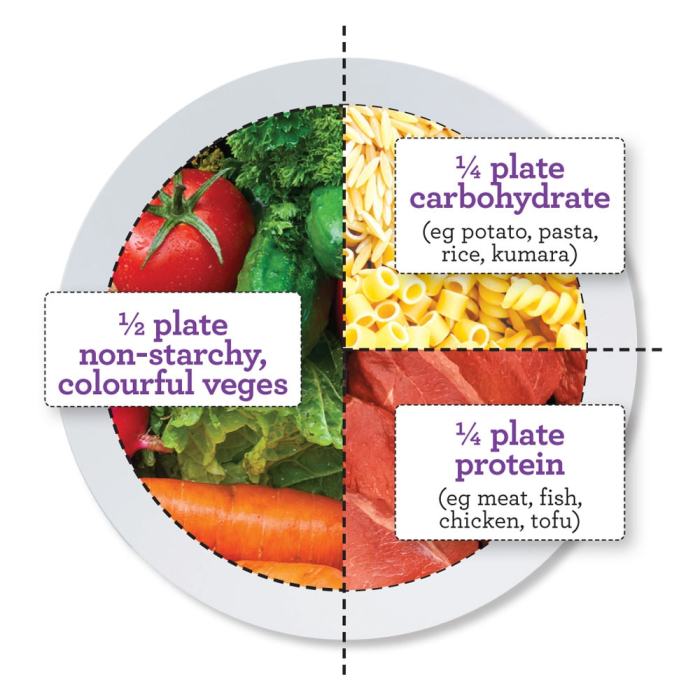
- Fill half your plate with fruits and vegetables.
- Add a serving of protein, such as fish or chicken, to a quarter of your plate.
- Include a serving of grains, like brown rice or whole wheat bread, in the remaining quarter of your plate.
- Don’t forget to include a serving of dairy, such as yogurt or cheese, as a side or snack.
Tips for Creating a Balanced Diet Plan
Creating a balanced diet plan involves strategic meal planning, making healthier food choices, and reading food labels to make informed decisions. Here are some tips to help you get started:
Meal Planning Strategies
- Plan your meals in advance to ensure you have a variety of nutrients throughout the week.
- Include a mix of fruits, vegetables, whole grains, lean proteins, and healthy fats in each meal.
- Batch cook and meal prep to save time and ensure healthier choices when you’re busy.
- Make a grocery list based on your meal plan to avoid impulse purchases of unhealthy foods.
Making Healthier Food Choices
- Opt for whole, unprocessed foods whenever possible to maximize nutrient intake.
- Choose lean proteins like chicken, fish, tofu, and legumes to reduce saturated fat consumption.
- Incorporate a variety of colorful fruits and vegetables to ensure a wide range of vitamins and minerals.
- Avoid sugary beverages and opt for water, herbal tea, or unsweetened beverages instead.
Reading Food Labels
- Check the serving size on labels to ensure you’re aware of how much you’re consuming.
- Look for added sugars, sodium, and unhealthy fats in the ingredient list and choose products with lower amounts.
- Pay attention to the % Daily Value (%DV) to gauge how much a nutrient contributes to your daily needs.
- Focus on whole foods with minimal ingredients and avoid highly processed foods with a long list of additives.
Final Conclusion
In conclusion, mastering the art of building a balanced diet is crucial for overall well-being. With the right knowledge and dedication, you can achieve a healthier lifestyle and reap the benefits of nutritious eating habits.