Embark on the journey of creating a sustainable mobile app business, focusing on strategies for success and revenue models that align with environmental goals.
Explore the key elements that make a mobile app business sustainable and learn how to implement eco-friendly practices effectively.
Importance of Sustainability in Mobile App Business

In today’s rapidly evolving digital landscape, sustainability plays a crucial role in ensuring the long-term success of a mobile app business. By adopting sustainable practices, companies can not only reduce their environmental impact but also enhance their reputation, attract more users, and create a positive impact on society.
Examples of Sustainable Practices
- Optimizing code to reduce energy consumption and improve performance.
- Implementing serverless architectures to scale efficiently and minimize resource usage.
- Using renewable energy sources to power data centers and servers.
- Designing user interfaces with accessibility in mind to reach a wider audience.
Benefits of Building a Sustainable Mobile App Business
-
Reduced operational costs and energy consumption leading to long-term savings.
- Enhanced brand reputation and increased user trust through transparent sustainability efforts.
- Positive impact on the environment by reducing carbon footprint and promoting eco-friendly practices.
- Attracting socially conscious consumers who prioritize sustainability in their choices.
Strategies for Building a Sustainable Mobile App Business

Building a sustainable mobile app business involves implementing strategies that reduce the environmental impact of development, incorporate sustainable features, and utilize renewable energy sources.
Reducing Environmental Impact
One key strategy for reducing the environmental impact of mobile app development is to optimize the app’s code to be more energy-efficient. This can involve minimizing unnecessary processes, reducing file sizes, and improving overall performance.
Another strategy is to utilize cloud services and data centers that prioritize energy efficiency and renewable energy sources. By choosing eco-friendly hosting options, you can significantly reduce the carbon footprint of your app.
Incorporating Sustainable Features
To incorporate sustainable features within mobile apps, consider implementing features that promote energy efficiency, such as dark mode options or power-saving settings. Encourage users to engage in eco-friendly behaviors through gamification or rewards for sustainable actions.
Additionally, you can include features that enable users to track their carbon footprint, set sustainability goals, or connect with eco-friendly businesses and initiatives. By integrating sustainability into the core functionality of your app, you can make a positive impact on both users and the environment.
Role of Renewable Energy Sources
Renewable energy sources play a crucial role in powering a sustainable mobile app business. By transitioning to renewable energy sources such as solar or wind power for data centers and offices, you can significantly reduce the environmental impact of your operations.
Consider partnering with renewable energy providers or investing in on-site renewable energy solutions to power your app development and operations. By prioritizing renewable energy sources, you can align your business with sustainable practices and contribute to a greener future.
Monetization and Revenue Models for Sustainable Mobile App Business
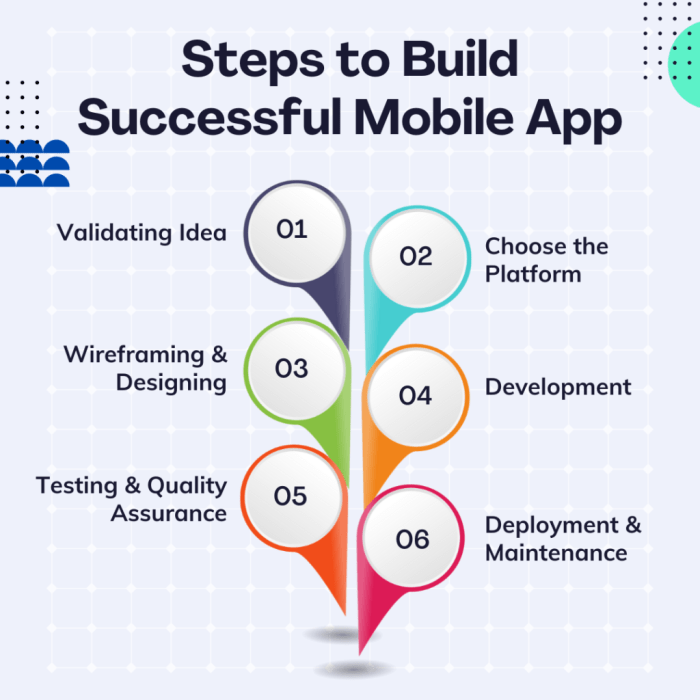
Monetization is a crucial aspect of building a sustainable mobile app business. By implementing the right revenue models, app developers can ensure long-term success and profitability while aligning with sustainability goals.
Subscription-Based Models
Subscription-based models have gained popularity in the mobile app industry due to their potential for recurring revenue streams. Here are some advantages and challenges of implementing subscription-based models for sustainable mobile apps:
- Advantages:
- Steady Revenue: Subscriptions provide a predictable income stream, allowing developers to plan for the future.
- Enhanced User Engagement: Subscribers are more likely to engage with the app regularly to make the most of their subscription.
- Improved Customer Loyalty: Subscribers tend to be more loyal to the app, reducing churn rates and increasing lifetime value.
- Challenges:
- User Acquisition Costs: Acquiring subscribers can be costly, especially when competing with free alternatives.
- Retention: Keeping subscribers engaged and preventing churn can be a challenge, requiring continuous updates and improvements.
- Value Perception: Maintaining perceived value over time is essential to prevent users from cancelling their subscriptions.
User Engagement and Retention
User engagement and retention play a critical role in driving revenue for a sustainable mobile app business. Here are some key points to consider:
- Personalized Experiences: Tailoring the app experience to individual users can increase engagement and retention rates.
- Push Notifications: Timely and relevant push notifications can re-engage users and drive them back to the app.
- Reward Programs: Offering rewards for consistent app usage or referrals can incentivize users to stay active and engaged.
Closing Notes
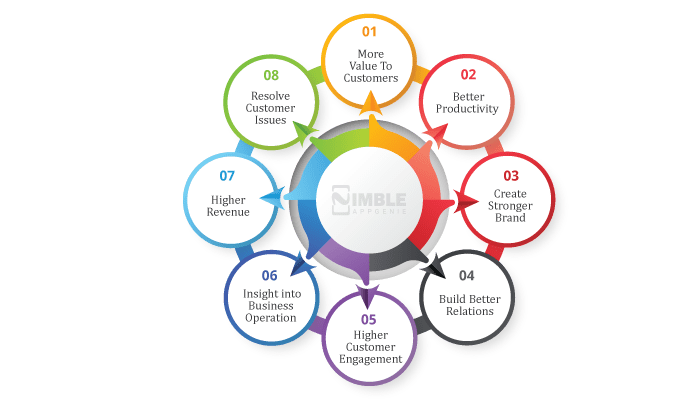
In conclusion, building a sustainable mobile app business is not only beneficial for the environment but also paves the way for long-term success and positive societal impact. Embrace sustainability and watch your app thrive in the digital landscape.