Embark on a journey to discover the art of creating a compelling portfolio that not only impresses but also lands you the job you desire. Learn the secrets to showcasing your skills effectively and standing out in a competitive job market.
Explore the key elements and strategies essential for building a portfolio that speaks volumes about your expertise and experience.
Importance of a Strong Portfolio
Having a strong portfolio is essential when it comes to landing a job in a competitive market. It serves as a visual representation of your skills, experience, and accomplishments, allowing potential employers to gauge your capabilities and suitability for the role.
Key Elements of a Standout Portfolio
- High-quality work samples: Include your best work that demonstrates your skills and expertise in your field.
- Clear organization: Make sure your portfolio is well-structured and easy to navigate, allowing employers to find relevant information quickly.
- Consistency in style: Maintain a cohesive look and feel throughout your portfolio to showcase your attention to detail and design skills.
- Relevant projects: Tailor your portfolio to highlight projects that are most relevant to the job you are applying for.
How a Portfolio Showcases Skills and Experience
A strong portfolio effectively showcases your skills and experience by providing concrete examples of your work. It allows you to demonstrate your expertise in action, rather than just listing qualifications on a resume. Employers can see firsthand the quality of your work, your creative abilities, and your problem-solving skills through the projects you present in your portfolio.
Building a Professional Portfolio
When it comes to building a professional portfolio, selecting the right projects to include is crucial. The projects you showcase should highlight your skills, expertise, and versatility to potential employers. Here are some tips to help you choose the right projects:
Tip 1: Relevance and Diversity
- Include projects that are relevant to the job you are applying for. Tailor your portfolio to showcase skills and experiences that align with the requirements of the position.
- Ensure diversity in your projects to demonstrate a range of skills and capabilities. Include a mix of personal projects, freelance work, and professional assignments.
Tip 2: Quality Over Quantity
- Focus on quality over quantity. It’s better to showcase a few exceptional projects that truly highlight your abilities rather than overwhelming potential employers with too many mediocre projects.
- Choose projects that you are passionate about and proud of. Your enthusiasm and dedication will shine through in the work you present.
Tip 3: Update Regularly
- Keep your portfolio updated with your latest work. Remove outdated projects and replace them with new, relevant ones to ensure your portfolio reflects your current skills and capabilities.
- Consider the feedback you receive on your portfolio and make adjustments accordingly. Continuous improvement is key to a successful portfolio.
Effective Organization of Portfolio Content
When organizing your portfolio content, consider creating sections or categories to group similar projects together. This could include categories such as web design, branding, illustration, etc. Providing clear navigation and a logical flow will make it easier for viewers to explore your work.
Creative Presentation of Work
There are several creative ways to present your work in a portfolio, such as:
- Using interactive elements like sliders, galleries, or animations to engage viewers.
- Including case studies that provide context, challenges faced, and solutions implemented for each project.
- Showcasing your creative process with sketches, wireframes, and mockups to give insight into your design thinking.
Tailoring Your Portfolio for Specific Roles
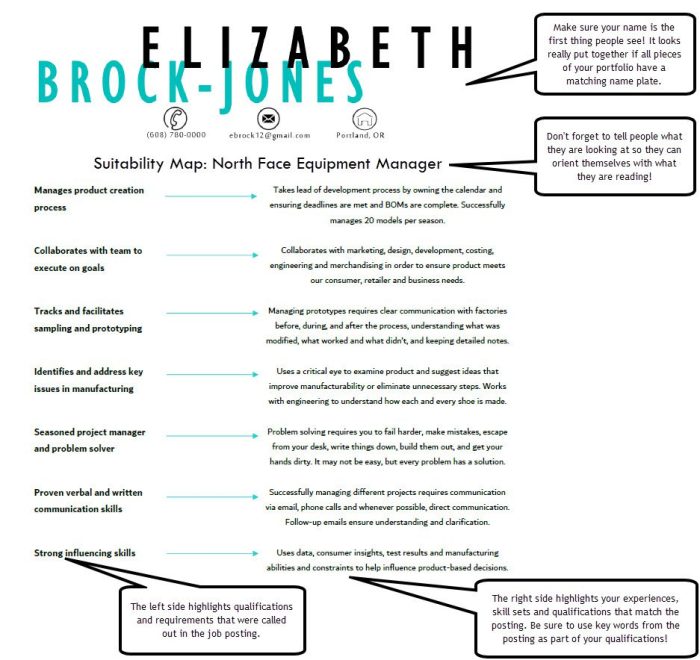
Tailoring your portfolio for specific roles is crucial in showcasing your skills and experiences effectively to potential employers. By customizing your portfolio for different job applications, you can highlight the most relevant information that aligns with the requirements of the position.
Strategies for Aligning Portfolio Content with Job Requirements
- Review the job description carefully to understand the key skills and experiences sought by the employer.
- Select projects or work samples from your portfolio that best demonstrate your proficiency in those specific areas.
- Organize your portfolio in a way that showcases your most relevant work at the forefront, making it easy for employers to see your qualifications.
- Create custom sections or categories in your portfolio that directly address the job requirements, such as “UX Design Projects” or “Front-End Development Work.”
- Include a tailored cover letter or introduction for each application, explaining how your portfolio aligns with the specific role.
Highlighting Relevant Skills and Experiences
- Emphasize the skills and experiences that are directly related to the job you are applying for, ensuring they are prominently featured in your portfolio.
- Showcase your achievements and accomplishments that demonstrate your ability to excel in the specific role, such as successful projects or impactful results.
- Create case studies or project descriptions that provide context on how you utilized your skills to solve problems or achieve goals relevant to the position.
- Quantify your results whenever possible, using numbers or statistics to showcase the impact of your work in previous roles.
- Seek feedback from mentors or industry professionals to ensure your portfolio effectively highlights the skills and experiences most valuable to employers in your desired field.
Concluding Remarks

In conclusion, mastering the art of crafting a winning portfolio is the key to unlocking new career opportunities and securing your dream job. Start implementing these tips today and watch your professional success soar.