Embark on a journey through the 7 Principles of Building Long-Term Wealth, delving into the intricacies of financial stability and growth. This insightful exploration promises a compelling narrative that will broaden your understanding of wealth accumulation strategies.
Uncover the core principles and strategies that pave the way for long-term financial prosperity, setting the stage for a prosperous future filled with financial security and abundance.
Introduction to the 7 Principles of Building Long-Term Wealth

Building long-term wealth is the process of strategically planning and investing your resources over an extended period to ensure financial stability and growth for the future. It involves making smart decisions and taking calculated risks to increase your net worth over time.
Having a solid financial foundation is crucial for long-term wealth building as it provides stability and security to weather any financial storms that may come your way. This foundation includes having an emergency fund, managing debt effectively, and creating a budget to track your expenses and savings.
The Difference Between Short-Term Gains and Long-Term Wealth Accumulation
Short-term gains refer to quick profits or returns on investments that are realized in a short period, often with high risk involved. On the other hand, long-term wealth accumulation focuses on sustainable growth and steady financial progress over an extended period, with a lower risk tolerance.
Essential Principles for Building Long-Term Wealth
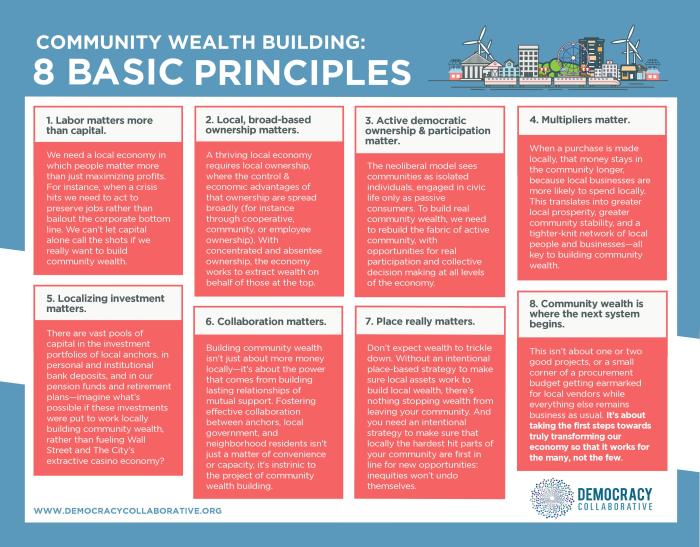
Saving and investing early is a fundamental principle when it comes to building long-term wealth. By starting to save and invest at an early age, individuals can take advantage of compounding interest and give their money more time to grow.
The Power of Compound Interest in Wealth Creation
Compound interest is the concept of earning interest on both the initial principal amount and the accumulated interest from previous periods. This means that over time, your money can grow exponentially, especially when reinvested. The earlier you start investing, the more time your money has to compound and grow.
- Compound interest allows your wealth to snowball over time, leading to significant growth in your investment portfolio.
- Even small, regular contributions can add up significantly over the years due to the power of compounding.
- It is essential to reinvest the returns earned from investments to maximize the benefits of compound interest.
The Role of Diversification in a Long-Term Investment Strategy
Diversification is a crucial principle in building long-term wealth as it helps spread risk across different assets and investment types. By diversifying your investment portfolio, you can reduce the impact of volatility in any single asset class and potentially increase overall returns.
- Diversification involves investing in a mix of asset classes such as stocks, bonds, real estate, and commodities.
- By diversifying, you can lower the risk of significant losses in case one asset class underperforms.
- Regularly reviewing and rebalancing your diversified portfolio is key to maintaining an optimal asset allocation based on your risk tolerance and financial goals.
Strategies for Implementing the 7 Principles

Implementing the 7 Principles of Building Long-Term Wealth requires strategic planning and consistent effort. By incorporating smart financial habits, choosing the right investment vehicles, and setting achievable financial goals, individuals can work towards building long-term wealth effectively.
Smart Financial Habits for Wealth Accumulation
- Creating a monthly budget and tracking expenses to ensure spending is in line with financial goals.
- Automating savings by setting up regular transfers to a high-yield savings account or investment portfolio.
- Avoiding unnecessary debt and prioritizing paying off high-interest loans to free up more funds for saving and investing.
- Regularly reviewing and adjusting financial goals based on changing circumstances and market conditions.
Comparison of Different Investment Vehicles for Long-Term Growth
- Stocks: Offer potential for high returns but come with higher risk due to market volatility.
- Bonds: Provide more stable returns with lower risk, making them suitable for conservative investors.
- Real Estate: Can offer both income through rental payments and appreciation in property value over time.
- Index Funds: Provide diversification by tracking a specific market index, reducing individual stock risk.
Setting Achievable Financial Goals Aligned with Long-Term Wealth Building
- Define specific and measurable financial goals, such as saving a certain amount for retirement or purchasing a home.
- Break down long-term goals into smaller milestones to track progress and stay motivated.
- Regularly review and adjust goals based on financial performance and changing life circumstances.
- Seek professional advice from financial advisors to ensure goals are realistic and achievable.
Last Point
In conclusion, the 7 Principles of Building Long-Term Wealth serve as guiding beacons in the realm of financial planning and investment. By adhering to these principles, one can lay a solid foundation for sustained wealth creation and a bright financial future ahead.