Embark on a journey to discover 8 Ways to Reduce Stress and Anxiety, delving into effective strategies to enhance mental well-being.
Explore practical approaches and techniques to cultivate a more balanced and stress-free life.
Understand the Impact of Stress and Anxiety
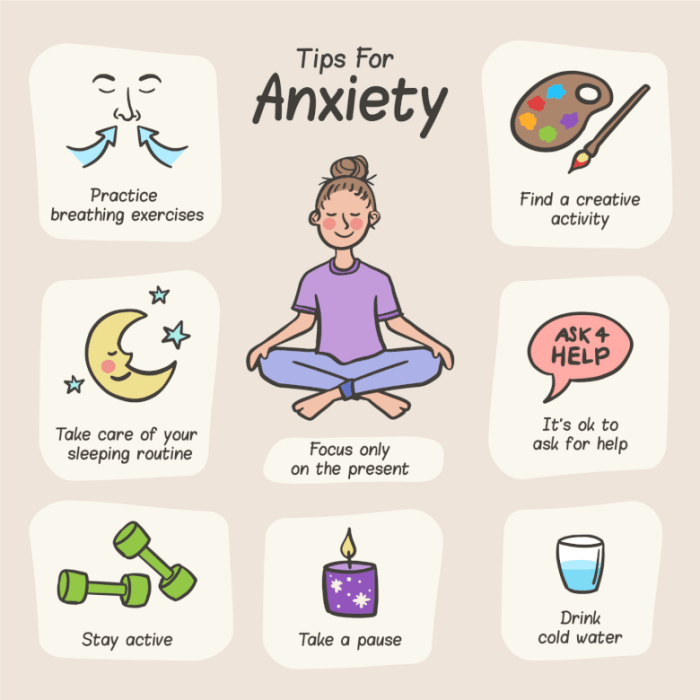
Stress and anxiety are often used interchangeably, but they are different. Stress is a response to a specific external factor, such as deadlines or conflicts, while anxiety is a general feeling of fear or apprehension about what might happen in the future.
Examples of Stress and Anxiety in Daily Life
In daily life, stress can manifest as racing thoughts, irritability, muscle tension, and difficulty concentrating. On the other hand, anxiety may show up as restlessness, excessive worry, insomnia, and panic attacks.
Long-Term Effects of Chronic Stress and Anxiety
Chronic stress and anxiety can have severe consequences on mental and physical health. Prolonged exposure to stress hormones like cortisol can lead to high blood pressure, weakened immune system, depression, and even heart disease. Similarly, long-term anxiety can result in digestive issues, sleep disorders, and increased risk of developing other mental health conditions like phobias or obsessive-compulsive disorder.
Lifestyle Changes to Reduce Stress and Anxiety

Managing stress and anxiety through lifestyle changes is essential for overall well-being. By incorporating these practical tips into your daily routine, you can effectively reduce the impact of stress on your mental and physical health.
1. Practice Deep Breathing Exercises
Deep breathing is a simple yet powerful relaxation technique. Find a quiet place, sit or lie down comfortably, and take slow, deep breaths. Inhale deeply through your nose, hold for a few seconds, and exhale slowly through your mouth. Repeat this process for a few minutes to calm your mind and body.
2. Engage in Regular Physical Activity
Exercise is known to boost endorphins and reduce stress hormones in the body. Aim for at least 30 minutes of moderate physical activity each day, such as walking, jogging, or yoga. Physical exercise not only improves your mood but also enhances your overall health.
3. Practice Mindfulness Meditation
Mindfulness meditation involves focusing on the present moment without judgment. Find a quiet space, close your eyes, and bring your attention to your breath or a specific sensation. Allow thoughts to come and go without holding onto them. Regular practice can help reduce stress and promote relaxation.
4. Establish a Healthy Sleep Routine
Poor sleep can exacerbate stress and anxiety levels. Create a bedtime routine that promotes relaxation, such as avoiding screens before bed, setting a consistent sleep schedule, and creating a comfortable sleep environment. Quality sleep is crucial for managing stress effectively.
5. Maintain a Balanced Diet
Eating a well-balanced diet rich in fruits, vegetables, whole grains, and lean proteins can support your mental health. Avoid excessive caffeine, sugar, and processed foods, as they can contribute to increased stress and anxiety. Stay hydrated and nourish your body with nutrient-dense foods.
6. Cultivate Hobbies and Interests
Engaging in activities you enjoy can provide a much-needed break from stressors. Whether it’s painting, gardening, playing music, or reading, make time for hobbies that bring you joy and relaxation. Hobbies can help distract your mind and reduce anxiety levels.
7. Set Boundaries and Prioritize Self-Care
Learn to say no to activities or commitments that overwhelm you. Setting boundaries is crucial for protecting your mental health. Prioritize self-care practices such as taking breaks, practicing self-compassion, and seeking support from loved ones when needed.
8. Seek Professional Help When Needed
If stress and anxiety become overwhelming, don’t hesitate to seek help from a mental health professional. Therapy, counseling, or medication may be necessary to manage severe symptoms. Remember that it’s okay to ask for help and prioritize your mental well-being.
Seeking Professional Help and Support
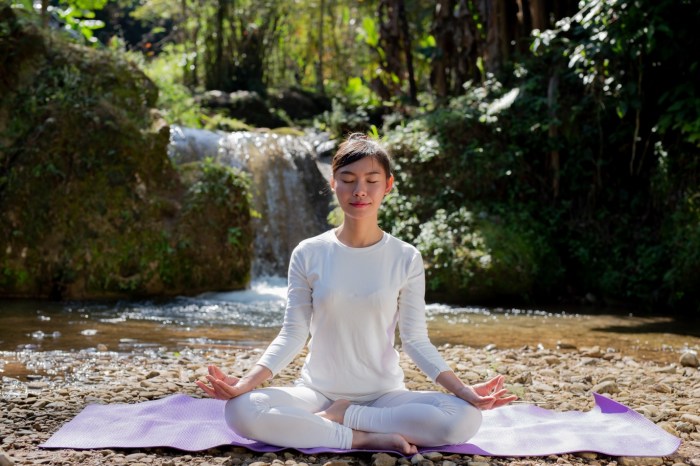
Seeking help from mental health professionals is crucial when dealing with severe stress and anxiety. These professionals are trained to provide specialized care and support to help individuals manage and overcome their mental health challenges effectively.
Therapy Options
- Cognitive-Behavioral Therapy (CBT): CBT is a widely used therapeutic approach that focuses on identifying and changing negative thought patterns and behaviors contributing to stress and anxiety.
- Mindfulness-Based Stress Reduction (MBSR): MBSR combines mindfulness meditation and yoga to help individuals develop awareness and acceptance of their thoughts and emotions, reducing stress and anxiety levels.
Finding a Suitable Therapist
- Ask for recommendations from your primary care physician or trusted friends and family members.
- Check online directories of licensed therapists and counselors in your area.
- Consider factors such as the therapist’s specialization, experience, and approach to therapy when choosing a suitable professional.
- Don’t hesitate to schedule initial consultations with different therapists to find the one you feel most comfortable with.
Conclusion
In conclusion, implementing these 8 strategies can lead to a significant reduction in stress and anxiety, paving the way for a calmer and healthier lifestyle.