Embark on the journey of creating a successful social media campaign with these 7 essential steps. From planning to execution, this guide will equip you with the knowledge needed to stand out in the digital landscape.
Learn about defining goals, reaching your target audience, and leveraging analytics to optimize your campaign for maximum impact.
Overview of Social Media Campaigns
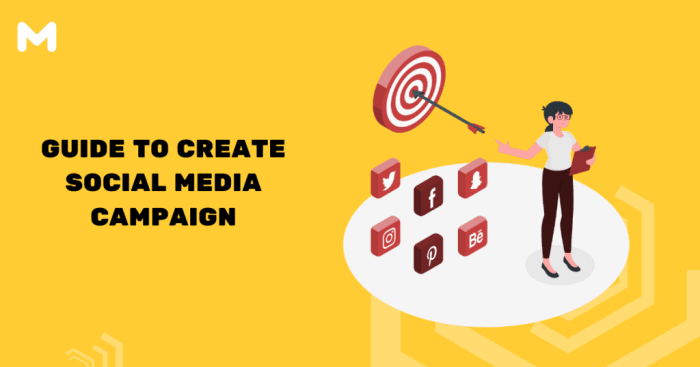
A social media campaign is a coordinated marketing effort to promote a specific goal or objective using social media platforms. It involves creating and sharing content on platforms like Facebook, Instagram, Twitter, and LinkedIn to engage with a target audience.
Social media campaigns are essential for businesses as they provide a cost-effective way to reach a large audience, increase brand awareness, drive website traffic, generate leads, and ultimately boost sales. By leveraging the power of social media, companies can connect with their customers on a more personal level and build strong relationships with them.
Main Goals of a Social Media Campaign
- Increasing brand awareness: One of the primary goals of a social media campaign is to make more people aware of your brand and what you have to offer. By creating engaging content and reaching a wider audience, you can increase brand recognition and visibility.
- Driving website traffic: Social media campaigns can help drive traffic to your website by sharing links to your content, products, or services. This can result in more leads and conversions for your business.
- Generating leads: Another key objective of a social media campaign is to generate leads for your business. By encouraging users to sign up for newsletters, download resources, or participate in contests, you can capture valuable contact information for potential customers.
- Boosting sales: Ultimately, the goal of any marketing campaign is to drive sales. Social media campaigns can help promote your products or services, showcase customer testimonials, and offer special promotions to entice customers to make a purchase.
Planning a Social Media Campaign

When it comes to planning a social media campaign, there are several initial steps that need to be taken in order to ensure its success. From defining your target audience to setting specific and measurable goals, each step plays a crucial role in the overall strategy.
Target Audience Research Process
Understanding your target audience is essential in creating a successful social media campaign. Conduct thorough research to identify the demographics, interests, and behaviors of your audience. This will help you tailor your content and messaging to resonate with them effectively.
- Utilize social media analytics tools to gather data on your current followers and engagement metrics.
- Conduct surveys or polls to gather direct feedback from your audience.
- Analyze competitor’s social media presence to identify potential gaps and opportunities.
Setting Specific and Measurable Goals
Setting clear goals is crucial for measuring the success of your social media campaign. These goals should be specific, measurable, achievable, relevant, and time-bound (SMART).
- Specific: Clearly define what you want to achieve with your campaign, such as increasing brand awareness or driving website traffic.
- Measurable: Establish key performance indicators (KPIs) to track the progress and effectiveness of your campaign.
- Achievable: Set realistic goals that align with your resources and capabilities.
- Relevant: Ensure that your goals align with your overall business objectives and target audience.
- Time-bound: Set a timeline for achieving your goals to create a sense of urgency and focus.
Executing a Social Media Campaign
Executing a social media campaign involves bringing your well-planned strategy to life through engaging content, strategic platform selection, and continuous monitoring and optimization. It is the phase where you connect with your audience and drive your campaign’s success.
Examples of Engaging Content for Social Media Campaigns
Creating compelling content is essential for a successful social media campaign. Some examples of engaging content include:
- Visuals such as high-quality images, videos, and infographics
- User-generated content like testimonials, reviews, and customer stories
- Polls, quizzes, and interactive posts to encourage audience participation
- Behind-the-scenes looks, sneak peeks, and exclusive content
Different Platforms and Their Strengths for Campaign Execution
Each social media platform offers unique strengths that can be leveraged for campaign execution:
| Platform | Strengths |
|---|---|
| Broad reach, diverse ad formats, strong targeting options | |
| Visual appeal, influencer partnerships, Stories feature | |
| Real-time updates, trending topics, direct engagement | |
| Professional networking, B2B marketing, thought leadership | |
| TikTok | Viral potential, creative opportunities, younger demographic |
Role of Analytics in Monitoring and Optimizing a Social Media Campaign
Analytics play a crucial role in tracking the performance of your social media campaign and making data-driven decisions for optimization. Key aspects of analytics include:
- Monitoring engagement metrics like likes, shares, comments, and click-through rates
- Measuring reach and impressions to assess campaign visibility
- Identifying top-performing content and adapting strategies accordingly
- Utilizing A/B testing to optimize ads, messaging, and targeting
Ending Remarks
In conclusion, mastering the 7 steps Artikeld here will elevate your social media campaigns and help you achieve your business objectives with precision. Take charge of your online presence and watch your brand flourish in the world of social media.